
Temperament
Temperament is your emotional baseline. It runs underneath your reactions and shows up first, before you've had time to think, and it colors how everything else lands.


The scales inside Temperament
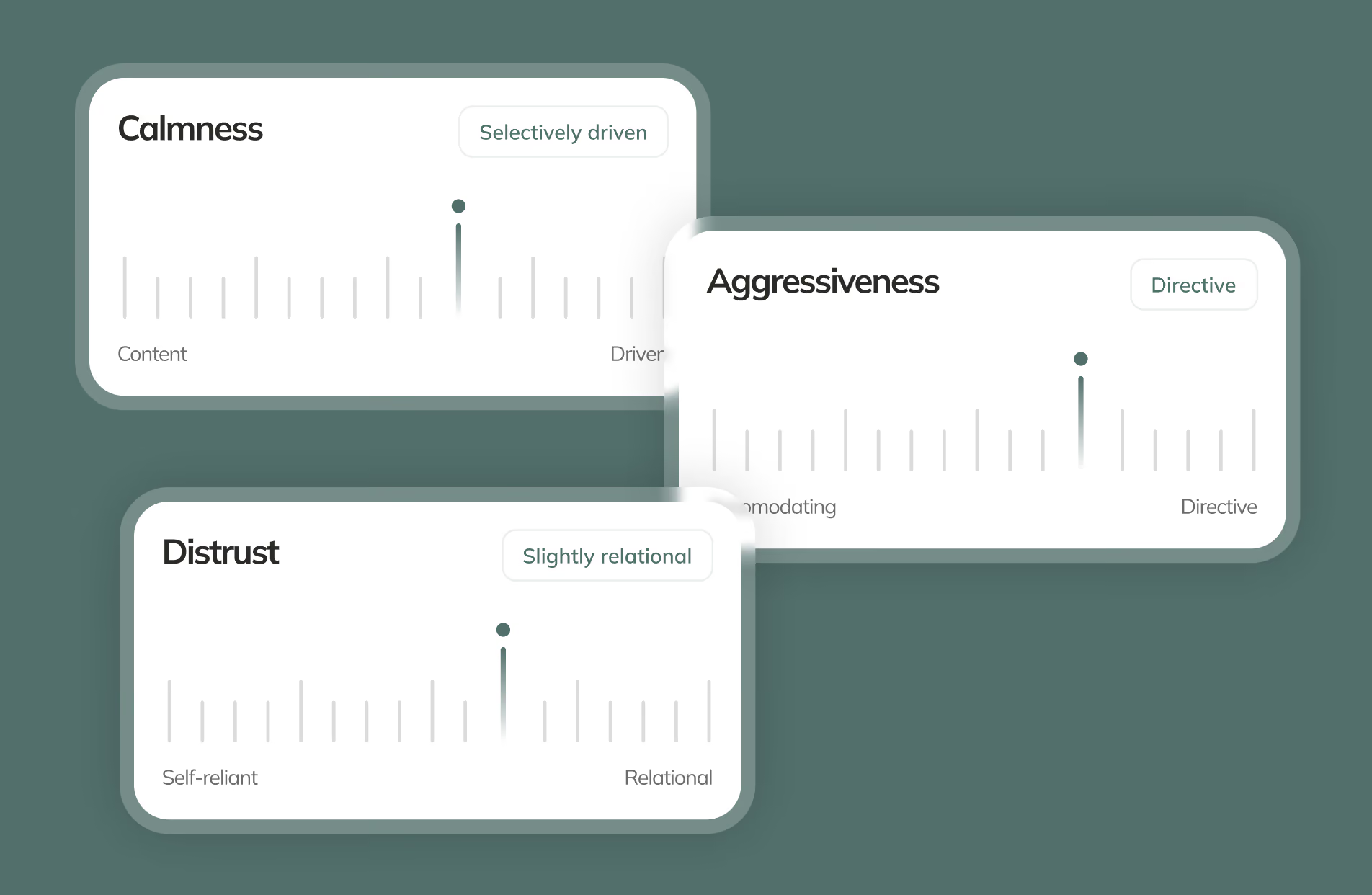
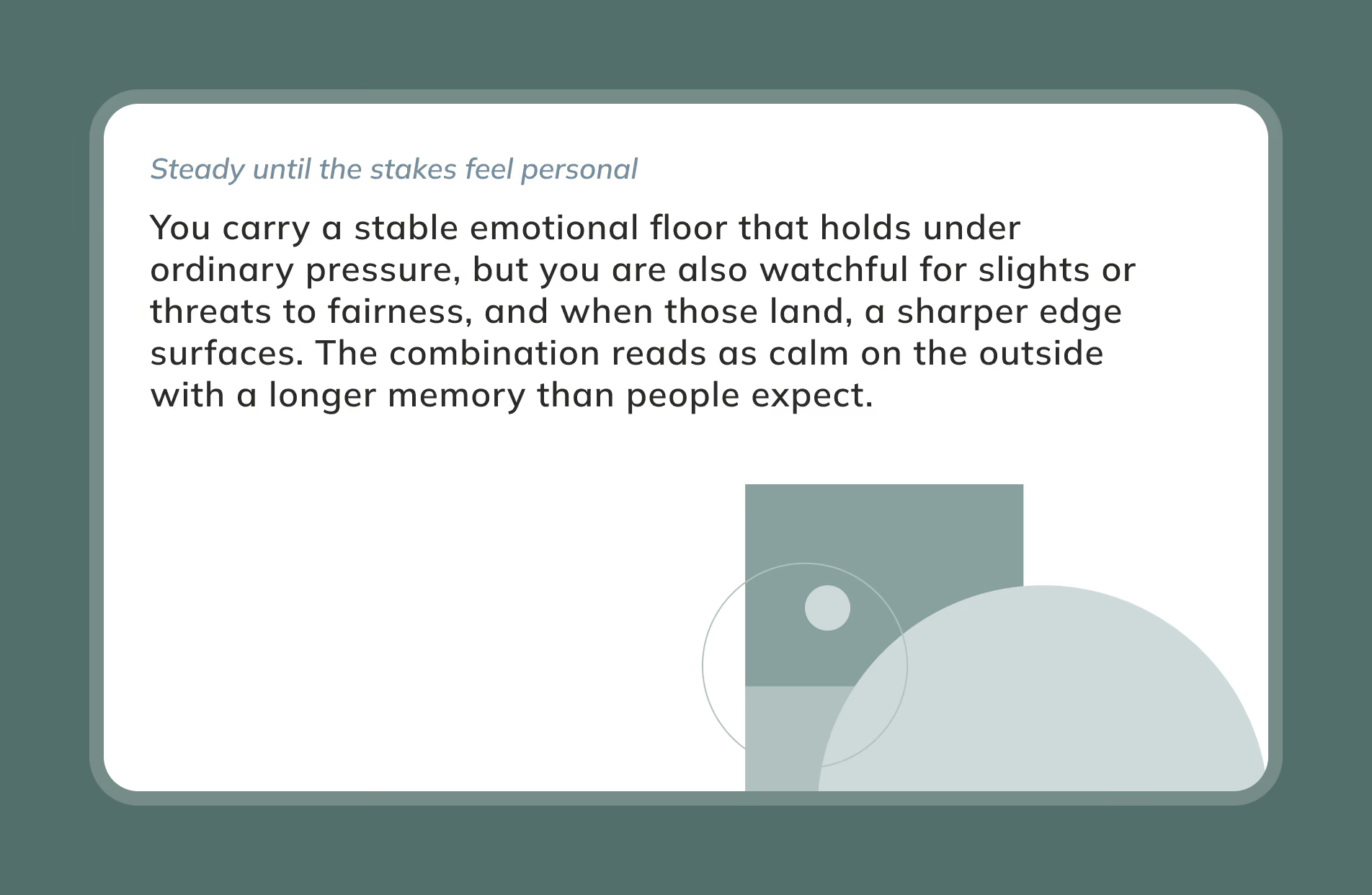
Your emotional baseline, your natural composure, how you assert yourself and your nature when it comes to trust.
Your temperament moves first when something goes wrong, before you've decided anything. Every other reaction builds on top of it.
Three scales in your profile: composed or reactive under pressure, accommodating or forceful when you push for what you want, trusting or skeptical by default.
Your emotional baseline, your natural composure, how you assert yourself and your nature when it comes to trust.
Your temperament moves first when something goes wrong, before you've decided anything. Every other reaction builds on top of it.
Three scales in your profile: composed or reactive under pressure, accommodating or forceful when you push for what you want, trusting or skeptical by default.
Where you'll feel Temperament
In career
Temperament is your emotional baseline. It shapes how you handle pressure, how directly you push back on resistance, and how quickly you trust new people. Those patterns touch almost every moment at work.
In relationships
Temperament sets the emotional tone of a relationship. How calm you stay under stress, how directly you push back, and how readily you trust someone all shape how safe and easy the connection feels to the other person.
In learning & growth
Temperament shapes how you respond when learning gets hard. How you handle frustration, whether you push back on feedback, and how quickly you trust new teachers or ideas all affect how far and how fast you grow.

What you can do with Temperament
Use it in conversation
Tell someone what you actually do under pressure. "I go quiet, give me twenty minutes" saves everyone a week of guessing.
Use it in a decision
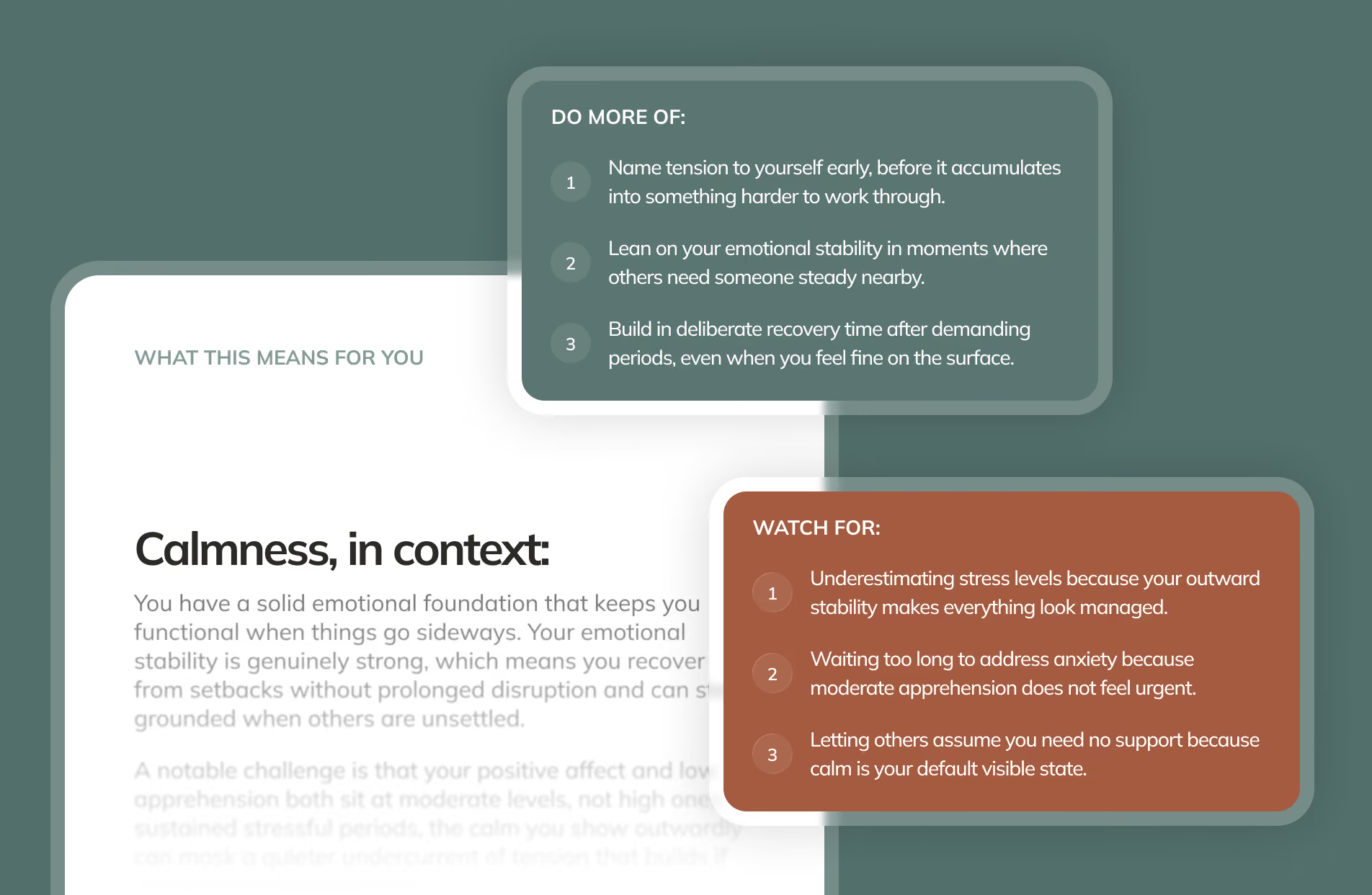
If you tend towards being reactive in a stressful moment, understand in advance the impact that can have on others. Make a conscious decision to pause and gather yourself before you offer input.
Use it in growth
Make a note of how your Temperament shows up in life and work. Pick a moment and modify how you respond. If you lean skeptical, first pause and think through the possibilities. If you lean trusting, ask one more question before you say yes.
How Temperament works with the rest of you
Temperament × Values
Values decide what you'll defend. Whether you can keep it up for a year comes down to Temperament.
Temperament × Action Style
Temperament sets the state you're in. Action Style sets what you do from there.





See yourself clearly. Then decide.
It starts with the assessment: about 20 minutes, built on validated psychology, and a living profile that's yours to keep.
