
Values
Values are the motives that pull you. They are the deep needs that shape what you move toward, what you protect, and what you'll trade away when something has to give.


The scales inside Values
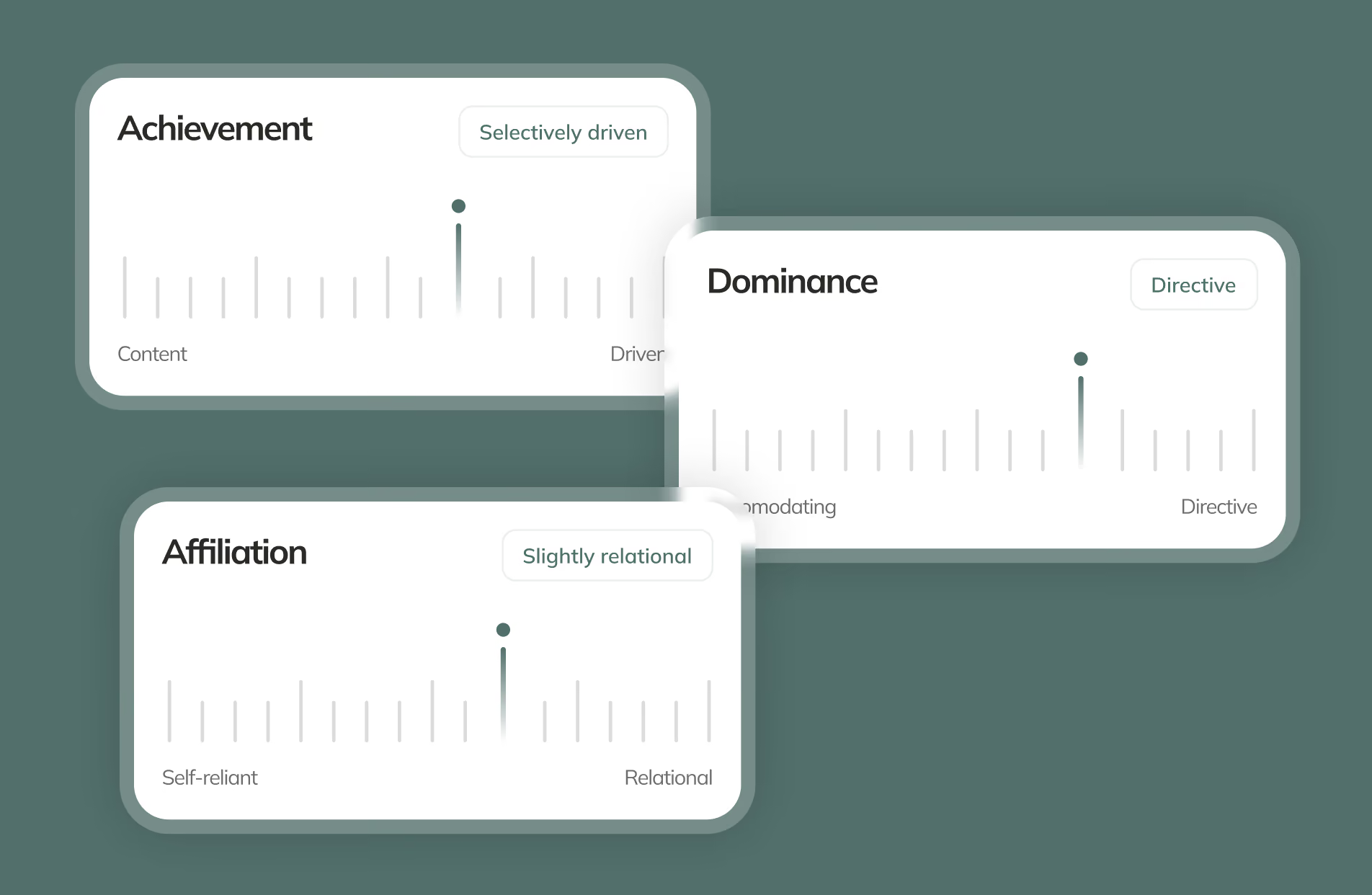
Which values you hold, and which ones win when they collide.
It shows you why a situation feels off and where to spend your energy.
You see it in what people notice and what bothers them.
Which values you hold, and which ones win when they collide.
It shows you why a situation feels off and where to spend your energy.
You see it in what people notice and what bothers them.
Where you'll feel Values
In career
Values show up at work in what makes a job feel worth it. A title can look right while the day-to-day rewards something else. That gap is the most common reason people feel stuck. Read your profile against a role before you take it, and you can see where it fits and where it doesn't.
In relationships
Values show up in relationships as what people need from each other and where they quietly keep score. They set expectations nobody says out loud, so when those go unmet people feel hurt and can't say why. Knowing your own values lets you name what you need and ask for it.
In learning & growth
Learning that lines up with your values holds your attention. Learning that doesn't gets dropped, no matter how useful it is. Once you know your values, you can tell which efforts will stick before you start.

What you can do with Values
Use it in conversation
Before a hard conversation, say your top three values out loud. Most disagreements come down to which value the topic threatens.
Use it in a decision
Write down what you would defend and what you would trade away. Then look at the decision in front of you. If it costs you something on the defend list, that is your answer.
Use it in growth
Pick one value you suspect you have been overriding and watch yourself for a week. Where did you trade it away, and what did you get for it?
How Values works with the rest of you
Values × Interests
Values tell you what matters. Interests tell you what pulls your attention. When they diverge, you can love the work and still drift away from it.
Values × Temperament
Values say what you will defend. Temperament says how you defend it. It shows in whether you say it on the spot or wait for a private moment.

Interests
What you're pulled toward, even when nobody's pushing

Temperament
Your emotional patterns, your energy, how you handle pressure.

Action Style
How you plan, start, and actually finish things.

Learning Style
How you take in and integrate new information

Social Style
How you connect, communicate, and recharge.
See yourself clearly. Then decide.
It starts with the assessment: about 20 minutes, built on validated psychology, and a living profile that's yours to keep.
